Explore how Instagram blurs the line between perception and reality, shaping identity, self-worth, and authenticity in the digital age.
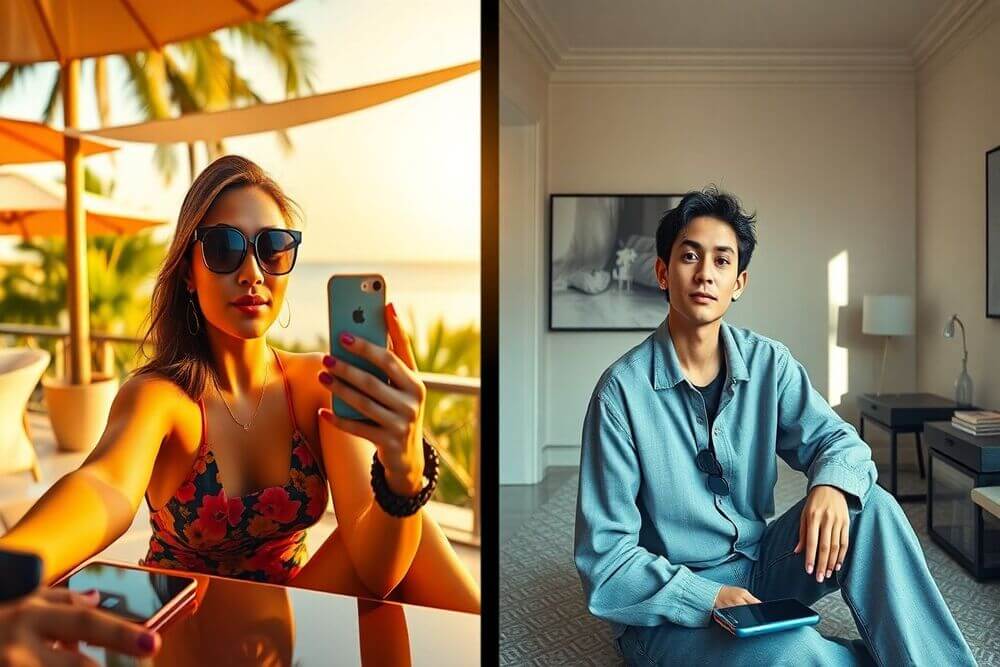
Social media runs our lives more than we realize. Platforms like Instagram shape how we see ourselves and others. We scroll through endless photos that show only the best moments—perfectly curated, polished, and often fake. This creates a huge gap between what we see online and what’s real. So, the big question is: How do these images affect our identity and what society expects from us? Knowing this helps us protect our mental health and build a true sense of self.
Instagram launched in 2010. It quickly grew into a top platform for sharing photos and videos. It changed how we express ourselves. Instead of simple text, images became the new language for individuality. Today, millions use Instagram to show their lives and seek approval from followers. It’s now the go-to place for self-promotion.
Why do we post only our best moments? People tend to manage their online image carefully. They want others to see them in a positive way. This is called impression management. It helps boost self-esteem but can also lead to false perfection. We often carefully edit what we share to look better than reality.
Filters, editing apps, and sponsored posts shape how people present themselves. Filters can smooth skin, change body shape, or add effects instantly. Editing tools let users erase imperfections or enhance features. These tools make everyone chase an ideal that’s almost impossible to reach. It fuels a sense of perfectionism and raises unrealistic standards.
Influencers often post pictures of luxury trips, fancy dinners, and fitness routines. But these glimpses hide the everyday struggles. Most people only see the shiny side, not the hard work and setbacks. For example, a beach photo may hide days of stress or exhaustion behind the scenes.
Filters and editing distort body images constantly. Many teens and adults feel pressured to look perfect. Research shows that heavy use of social media causes more body dissatisfaction. It's linked to unhealthy habits like dieting or eating disorders. The images they compare themselves to are often fake or so heavily edited they don’t reflect reality.
Curated feeds often look like everyone's lives are perfect. But feeling happy all the time is rare. Influencers who talk openly about mental health remind us that behind closed doors, struggles exist. The truth is that even our favorite stars face tough times.
Studies show social media can damage mental health. It often increases anxiety and depression. Comparing yourself to others can make you feel like you don’t measure up. The more time you spend scrolling, the more you might believe your life isn’t good enough.
Social media influences how we see ourselves. Young people create online identities that may clash with who they really are. Some develop two personas—one online and one offline. This can make it harder to form genuine self-esteem and authentic relationships.
Platforms like Instagram reinforce ideas about beauty, wealth, and success. These norms often favor a narrow idea of perfection. Such images can marginalize those who don’t fit into these molds, widening gaps of inequality and exclusion.
Be honest with yourself. Share both good and bad moments. Limiting how much time you spend on highly curated posts helps. Remember, nobody's life looks perfect all the time.
Question what you see online. Ask if those photos are real or edited. Learn to spot exaggerations or filters. Resources like media literacy courses can teach you how to separate fact from fiction.
Create and share content that reflects your true life. Talk about your struggles and successes equally. Influencers who are genuine often have stronger, more engaged followings that admire realness.
Take regular breaks from social media. Practice mindfulness or meditation to stay centered. If feelings of anxiety or depression grow worse, don’t hesitate to seek help from a professional.
Movements like #NoFilter are pushing for honesty. Platforms are changing algorithms to favor genuine content. Expect more visibility for real, unfiltered stories, encouraging people to be themselves.
You control your social media experience. Be selective about what you follow and share. Building communities that value authenticity helps everyone feel safer and more accepted.
New features could help you express your true self. For example, apps that show unedited photos or tools that promote transparency. These innovations aim to make online spaces healthier and more genuine.
Instagram’s glossy images often hide the complex reality behind them. It’s easy to get caught up in comparing ourselves to curated perfection. But understanding how social media impacts our identity is vital. If we engage critically and stay true to ourselves, social platforms can be a source of growth, not stress. Embrace imperfections, promote honesty, and use social media as a tool to build your real self. Remember, authenticity beats perfection any day.
Takeaway: Use social media wisely—celebrate your true self, question what’s fake, and avoid falling into the trap of endless comparison. Your genuine identity is your greatest asset.
 ANONSTA